How to Evaluate the Best FD for Your Savings Goals
Choosing the Best FD is not only about finding the highest advertised interest rate. A fixed deposit should fit the amount you want to set aside, the period for which you can keep the money invested and how much access you may need before maturity.
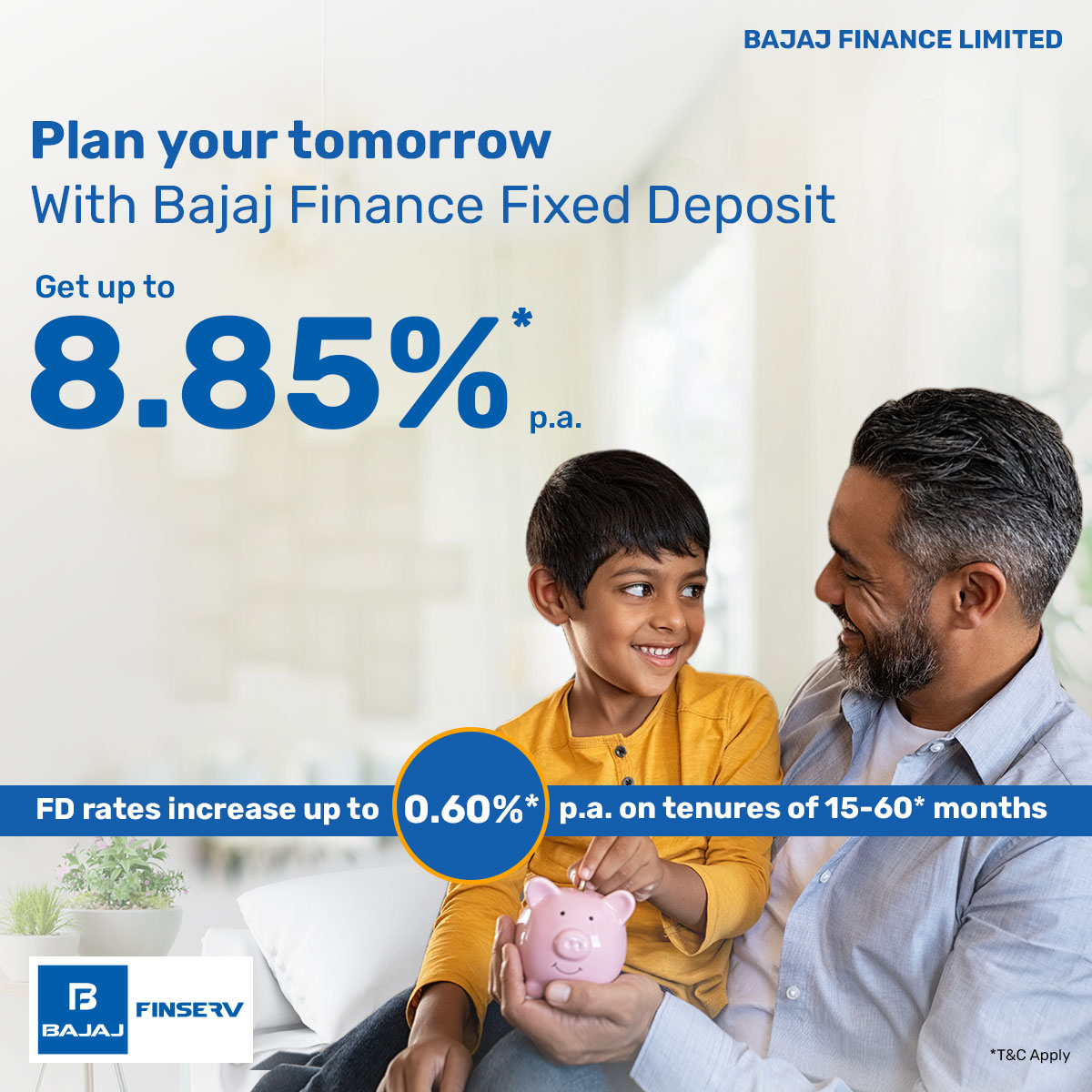
Someone comparing savings choices may also be evaluating borrowing options such as the best personal loan for a separate financial requirement. These products serve very different purposes. A fixed deposit is generally used to park savings for a defined period, while a loan creates a repayment obligation. Understanding that difference helps prevent savings and borrowing decisions from being mixed together.
The right FD is therefore the one that matches your financial goal, liquidity needs and preferred tenure rather than simply offering an attractive headline rate.
Start With the Goal for the Money
Before opening a fixed deposit, decide why the money is being kept aside.
The purpose may be to preserve savings for a planned purchase, create a short-term reserve for a future expense or keep part of your money in a comparatively predictable savings product.
A clear goal makes the tenure easier to choose.
For example, money required within a year should not automatically be locked into a much longer period simply because the longer tenure looks more attractive.
Tenure Should Match the Expected Need
Fixed deposits may be available across different tenure ranges, depending on the institution and product.
The best tenure is not necessarily the longest one.
If the money may be required in eighteen months, choosing a deposit that extends far beyond that period can reduce flexibility. On the other hand, choosing a very short tenure for a long-term goal may require repeated renewals.
Matching the deposit period with the expected use of the money keeps the investment more practical.
Interest Rate Should Be Compared Carefully
Interest rate is an important factor because it affects the maturity value.
However, users should compare similar tenures when evaluating different FD options. Comparing the rate on a one-year deposit with the rate on a five-year deposit does not provide a meaningful like-for-like comparison.
It is also useful to understand how interest is calculated and credited under the specific deposit option.
The headline rate should be read together with the full product terms.
Look at the Maturity Amount
The maturity amount gives a clearer picture of what the deposit may be worth at the end of the chosen tenure.
Instead of looking only at the percentage rate, users can consider the original deposit amount and the estimated value at maturity.
This helps connect the product with the actual savings goal.
If the expected maturity value is still below the amount needed for the goal, the user may need to increase the deposit amount, extend the savings period or combine the FD with other savings.
Liquidity Matters More Than Many People Expect
A fixed deposit involves setting money aside for a defined period, so users should think about whether the funds may be needed earlier.
Unexpected medical expenses, repairs or other urgent requirements can arise during the deposit tenure.
Before opening an FD, it is useful to keep some emergency money outside the deposit rather than locking every available rupee.
This reduces the chance of having to break the FD early for routine financial needs.
Understand Premature Withdrawal Conditions
Premature withdrawal can be important if circumstances change before maturity.
Users should review whether early withdrawal is allowed and whether any conditions, reduced interest or penalties may apply under the product terms.
This detail can influence the overall usefulness of the FD.
A slightly different rate may be less important than having suitable liquidity when there is a realistic chance that the money could be required earlier.
Cumulative and Payout Options Serve Different Needs
Some fixed deposits may offer different interest-payment structures.
A cumulative option generally allows interest to remain invested until maturity, depending on the product terms. Periodic payout options may distribute interest at defined intervals.
The better choice depends on the goal.
Someone saving toward a future lump-sum requirement may prefer one structure, while another person seeking periodic cash flow may prefer a different one.
The important point is to understand how the chosen option affects the final maturity value and cash flow during the tenure.
Compare the Institution, Not Just the Product
The deposit should not be evaluated only by rate and tenure.
Users should also understand which bank or financial institution is offering the FD and review the applicable product terms through official channels.
A comparison should ideally consider:
- Deposit tenure
- Applicable interest rate
- Maturity value
- Premature withdrawal rules
- Interest payout structure
- Minimum deposit requirements
- Renewal options
- Institution and product terms
This gives a more complete view than simply sorting options by the highest rate.
Automatic Renewal Deserves Attention
Some deposits may offer an automatic renewal facility.
This can be convenient if the user wants to continue the deposit after maturity, but it should not be treated as a decision that never needs review.
Financial goals can change.
At maturity, the user may need the money, want a different tenure or prefer another savings option.
Reviewing the FD before renewal helps ensure that the next deposit still matches the current objective.
Do Not Put Every Saving Into One Deposit
Using a single FD for all savings can reduce flexibility.
Different goals may have different timelines.
Money required for a near-term expense may need a shorter tenure, while savings intended for a later goal may be kept aside for longer.
Splitting savings across different maturities can sometimes make cash flow easier to manage.
This approach is often referred to as staggering or laddering deposits, where funds mature at different times rather than all at once.
Emergency Savings Should Stay Accessible
An FD can be part of a savings plan, but it should not automatically replace an emergency fund.
Emergency money needs to be reasonably accessible when an unexpected situation occurs.
If every rupee is locked into a fixed deposit, an urgent expense may create unnecessary financial pressure.
Maintaining some readily available savings alongside the FD can create a better balance between discipline and liquidity.
Tax Treatment Should Be Considered
Interest earned on fixed deposits can have tax implications depending on the user’s circumstances and applicable rules.
This means the headline interest rate may not represent the final post-tax return for every saver.
Users should understand the relevant tax treatment and any applicable deduction or reporting requirements for their situation.
For individual tax decisions, official tax guidance or professional advice may be appropriate.
The key is to compare returns realistically rather than only before tax.
Avoid Choosing an FD Only Because It Is Easy to Open
Digital access has made fixed deposits easier to open, but convenience should not replace product comparison.
A deposit that can be created in a few minutes may still have a tenure, withdrawal condition or payout structure that does not suit the user.
The decision should start with the financial goal.
The digital process should simply make execution easier after the product has been evaluated.
Review the Deposit at Maturity
When the FD reaches maturity, the original financial goal should be reviewed again.
The money may now be needed for the planned expense, or the goal may have changed.
Users may choose to reinvest, withdraw or move the funds depending on their current financial position.
Automatically repeating the same deposit without reviewing the goal can result in money remaining locked when it is needed elsewhere.
Maturity is therefore a natural point for a broader savings review.
Best FD Means Different Things for Different Savers
There is no single FD structure that automatically works for everyone.
One saver may value a shorter tenure and easier access. Another may prioritise a maturity amount for a specific future goal. Someone else may prefer periodic interest payouts.
The best choice depends on the combination of:
- Financial goal
- Deposit amount
- Preferred tenure
- Liquidity requirement
- Interest structure
- Withdrawal conditions
This is why personal requirements should come before general rankings.
Conclusion
Evaluating the Best FD requires a balance between return, tenure, liquidity and the purpose of the savings. Users should compare similar deposit periods, understand premature withdrawal conditions and keep enough emergency money accessible outside the deposit.
Savings and borrowing should also remain separate decisions. If a future expense cannot be covered comfortably from available funds and someone chooses to explore a loan app, the borrowing option should be assessed independently on repayment capacity, cost and need rather than using an FD comparison alone to guide that decision.